
The Best Energy-Efficient Replacement Window Brands: A Guide to Options and Features
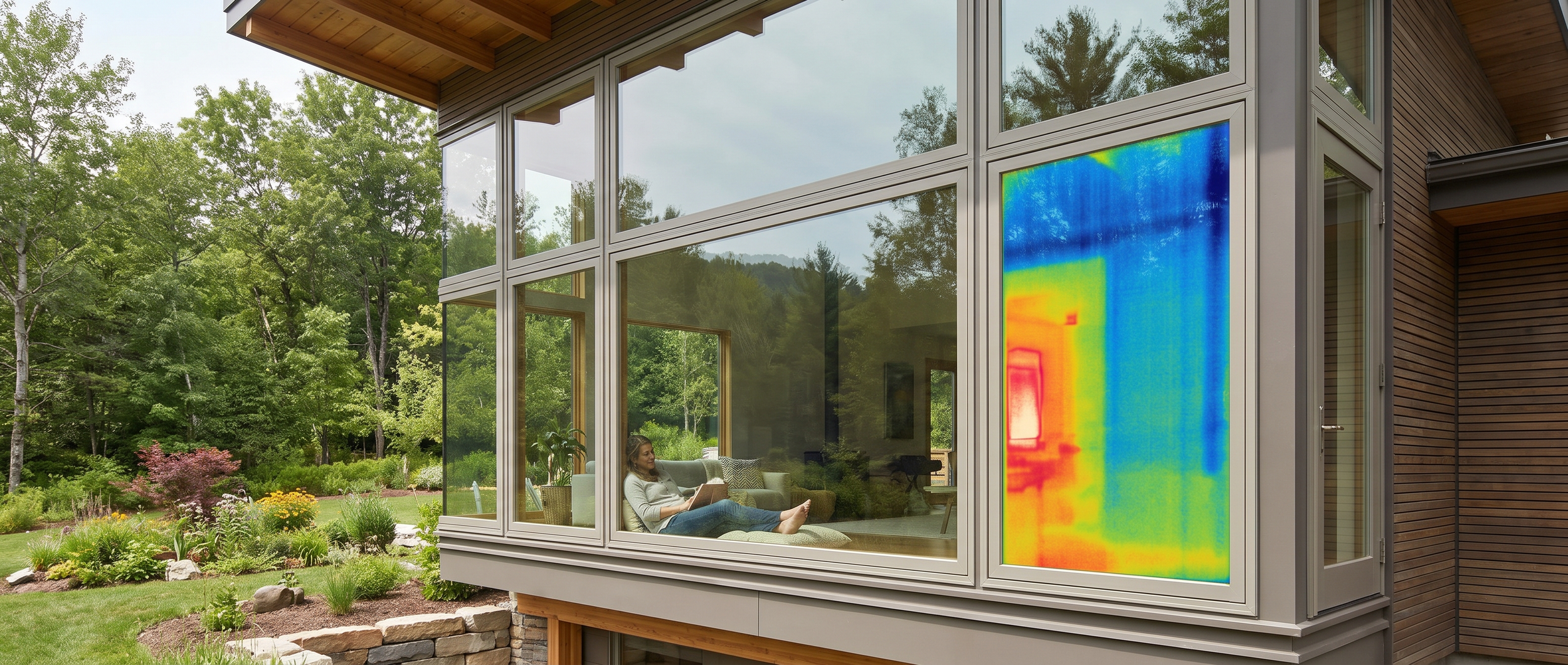
Replacing old windows is about more than a facelift: the right choice can reduce drafts, improve comfort, and lower energy bills, but the best brand depends on your climate, budget, and performance ratings like U-factor and SHGC. Focus on ENERGY STAR and NFRC ratings, compare like-for-like products, and choose the right frame, glass package, and installer, since brands like Andersen, Pella, Marvin, Jeld-Wen, Milgard, Simonton, and Renewal by Andersen each fit different buyer needs and climate zones. While comparing the leading brands and the features that count.
Defining an energy-efficient replacement window brand
Put simply, an efficient window keeps heat where it should be. It allows a home to remain warmer in the winter and cooler in the summer with less variation from season to season. The result is fewer drafts and lower utility bills.
If you are in the market for replacement windows, here are the performance markers to watch for:
U-factor: A measure of how much heat escapes. You want a low number, particularly in colder parts of the country.
SHGC (Solar Heat Gain Coefficient): Indicates the amount of solar heat coming through the glass. A lower figure is preferred in hot climates; in cold ones, a higher value can be an asset.
Low-E glass: With its special coating, this type of glass is a staple of energy efficiency, reflecting heat without blocking the light.
Double or triple-pane construction: Extra panes provide superior insulation, if at the expense of some weight and cost.
Argon or krypton gas fills: Placed between the panes to impede heat transfer.
The frame: Fiberglass and composite frames are often superior to basic models in their ability to resist heat transfer.
Then there are the labels. An ENERGY STAR certification is a good way to cull the competition, but for the hard numbers you can trust over any marketing pitch, look to the NFRC ratings.
When choosing replacement windows, the best replacement windows are the ones that fit your home, climate, and budget, not just the flashiest brand name. A type of window like double-hung windows may be the most practical choice for many homeowners, while awning windows can improve ventilation and a wood window can deliver a classic look; meanwhile, vinyl replacement windows with a well-built window frame and vinyl frames often appeal to homeowners on a budget because they balance value and energy performance. Brands such as Pella windows and Andersen windows are frequently mentioned among the best replacement window brands, but the real win comes from comparing window styles, window materials, low-e glass coatings, and the type of replacement that matches your project, especially if you’re evaluating replacement windows for your home.consumerreports+6
For most home improvement projects, the smartest approach is to compare window installation and installation costs alongside product quality, because a great best window on paper can underperform if it’s installed poorly. In other words, don’t choose only by brand; compare the best window replacement brands by frame material, glass package, and service, then decide whether the added cost of premium window materials is worth it for your home.
Top brands for energy-efficient replacements
What follows is an overview of the major players in the field. They all have their merits, but which is best comes down to your own priorities.
Andersen
You will not find a more recognizable name in the business than Andersen. Their catalog is extensive, covering wood, fiberglass, and specialty composites. Homeowners tend to turn to them for a combination of brand cachet and solid performance.
Typical strengths:
A wide selection of frame types
Low-E glass and argon gas options for strong efficiency
Products that suit a variety of climates
Extensive dealer network
Where they fit in: A safe bet for those who want a widely available, dependable brand for anything from a standard job to a higher-end project.
Pella
Pella is another big name with a broad lineup of vinyl, wood, and fiberglass. With several glass packages designed to save energy, Pella has an appeal for the buyer who wants efficiency without sacrificing on design.
Typical strengths:
Variety in frame materials
Good for style-conscious remodels
Multiple product tiers and ENERGY STAR certified choices
Where they fit in: For the homeowner wanting some curb appeal to go with the performance, particularly in the more visible rooms of the house.
Marvin
Marvin is the brand for custom design and premium quality. Their fiberglass and composite windows are built for a tailored fit and strong thermal results.
Typical strengths:
Durability in the frame
Advanced glass packages
High performance ratings
Where they fit in: Premium homes or projects where you need as much design flexibility as you do energy savings.
Jeld-Wen
Often viewed as a practical solution, Jeld-Wen has windows for every price point. It is a no-nonsense choice for balancing the bottom line with what the window does.
Typical strengths:
Competitive pricing
Vinyl and wood selections
A broad range of products, including ENERGY STAR certified ones
Where they fit in: The midrange option for a buyer with a manageable budget in mind.
Milgard
In many areas, Milgard is well regarded for its vinyl, aluminum, and fiberglass work. The company is known for putting out consistent quality with practical energy features. Depending on the line, it is a good match for both value and performance. Typical strengths:
A robust selection of vinyl windows
Fiberglass for those needing more durability
Quality glass, from Low-E to gas fills
The go-to for regional efficiency and comfort
Best use case:
Homeowners in search of a straightforward replacement with reliable performance.
Simonton
With a practical bent on cost and efficiency, Simonton is a value-driven brand. It is particularly noted for its vinyl offerings and products geared toward replacement.
Typical strengths:
Solid vinyl replacement line
Products with good value across the range
ENERGY STAR certification
Availability through contractor and dealer networks
Best use case:
For the homeowner who wants an efficient window without the premium price tag.
Renewal by Andersen
As the full-service arm of Andersen, this division has its own installation model. One buys it as a package that covers everything from the initial consultation and manufacturing to putting the window in place.
Typical strengths:
The Fiberx composite frame
Full-service approach
Supportive warranty and dealers in most markets
Energy-efficient glass
Best use case:
Those who prefer having one company see the project through from beginning to end and are particular about consistency in the install.
Best Type Of Window Replacement
The best vinyl replacement windows depend on your goals, but brands like Marvin windows, Simonton windows, and Alside windows are often discussed among the top window brands and popular window brands because they balance durability, aesthetics, and better energy efficiency. When replacing windows, homeowners usually compare single-hung windows, picture windows, garden windows, and other window types across the window market to see which different window design fits the job; a window and door specialist can help you match the existing window opening, the right window frame, and the best type of replacement for your project.
For upgrading your windows, look for high-quality windows that improve energy performance through vinyl-frame windows, wood-frame windows, or wood replacement windows, depending on your style and budget. A budget-friendly window usually means choosing a stock window from windows on the market, while premium window materials can deliver one of the most energy-efficient results; in practice, brands offer different tradeoffs, so you should choose windows based on energy consumption, wind and rain resistance, and whether the product meets Energy Star standards. If you’re comparing best replacement windows or best replacement window brands, a window specialist can help you find the right replacement and guide you through window installation, especially when evaluating a variety of window options for the homeowner or for a full window market comparison.
A comparison of brands by buyer type
There is no one-size-fits-all when it comes to energy-efficient windows. Here is a way to break down the brands:
Premium homes: Marvin, Andersen, Renewal by Andersen
Value seekers: Jeld-Wen, Simonton
Vinyl replacement: Milgard, Simonton
Custom or architecturally unique properties: Marvin, Andersen
Colder climates: Look to Marvin, Andersen, Renewal by Andersen or certain Pella and Milgard lines with solid NFRC ratings
Warmer climates: Pella, Milgard, Simonton and any line with a low SHGC
Full-home projects: Renewal by Andersen, Jeld-Wen, Milgard, Andersen
A brand name only gets you so far; it is worth doing a side-by-side to see what each has to offer.
How to pick the right brand
Reputation is not the only factor if you are after genuine energy savings. Follow these guidelines.
Consider your climate zone
Location is key. In hot and sunny parts of the country, a lower SHGC will keep cooling costs down by limiting heat gain. In the cold, a lower U-factor is usually called for. While some products are versatile, the optimal choice is dictated by where you are.
Think about maintenance
The frame material makes a difference:
Vinyl: Efficient and requires little upkeep.
Fiberglass: Very stable with good energy numbers.
Composite: Offers strong structure and insulation.
Wood: Has a traditional appeal but demands more care.
If you want to avoid the work, stick with vinyl or fiberglass. For a custom look, the tradeoff for wood or composite may be justified.
Weigh the cost against the savings
You do not get the best value by spending the most. A midrange product with good NFRC ratings is often a wiser investment than a premium one with superfluous features.
Don’t overlook the installer
Poor installation can make even the finest window underperform. Bad flashing or sloppy sealing leads to air leaks and lost efficiency. Make sure to ask if the crew is factory certified and what their process entails.
Warranty and support
Terms differ widely. Find out if labor is part of the coverage and for how long. Good dealer support is something to have on hand should an issue arise.
Get like-for-like quotes
When you put in for a quote, be sure to specify the same glass package, pane count, frame, and scope of work for every brand. Without that, a lower number on paper might just be for an inferior product.
What to expect on a quote
In reviewing numbers for a replacement job, homeowners should be looking for specifics and not generalities. A proper quote should make it simple to verify exactly what is being put in your home and allow for an apples-to-apples product comparison. Be sure it has the following in clear view:
ENERGY STAR label
U-factor and SHGC
Glass package and frame material
Installation scope
Warranty terms
Any eligibility for window rebates or estimated energy savings
Should any of these be missing or unclear, request a revision from the supplier.
Pitfalls to sidestep
Homeowners tend to get fixated on the wrong things when they are in the market for replacement windows.
The brand name trap
Do not assume a well-known name is the right fit for your property. Performance ratings tell the true story.
Climate considerations
What is an ideal window in one part of the country may not work as well in another. U-factor and SHGC should be checked against your local climate.
Apples and oranges
There is no point in putting a premium triple-pane with Low-E glass and argon gas up against a run-of-the-mill double-pane and calling them equals. Stick to comparing like products.
Installation
Even the finest energy-efficient window can be let down by a substandard installation. A good product poorly put in will yield poor results.
Price tag
The lowest number on the page does not necessarily offer the best value. Factor in durability, warranty, and the kind of long-term savings you can expect.
FAQ
Are all ENERGY STAR windows created equal? They are not. While they meet the guidelines, there will be differences in the U-factor, frame and glass package. The NFRC ratings will show you where they stand.
Is triple-pane superior to double-pane? Not in every instance. Triple-pane does insulate better but comes at a higher cost and is not a must in all climates. For many, a quality double-pane with argon and Low-E is sufficient.
Which brand delivers the best energy savings? It is hard to name one that suits everyone. You will find efficient offerings from Andersen, Marvin, Pella, Milgard, Simonton, Jeld-Wen, and Renewal by Andersen. Your choice will come down to budget, frame type, and how well it is installed.
Does a steeper price mean more efficiency? No. Do not put your faith in the price alone; look at the U-factor, SHGC, and the relevant ENERGY STAR and NFRC numbers.
How much of a dent will new windows make in my energy bill? That is variable. It depends on the condition of the old units, the climate, and the quality of the install. You can expect fewer drafts and some comfort, which in turn will lower your bills, though the reduction is often more noticeable than dramatic.
In closing
While energy-efficient windows do have an impact on your costs and comfort, the answer is not always to go with the priciest or most popular brand. The wiser move is to judge them on their merits: performance, the frame, and the installer’s work.
Start with something that has the ENERGY STAR seal and run the numbers on the U-factor and SHGC. Then see how the brand fits. Whether it is Pella, Andersen, Jeld-Wen, or one of the others, the top pick is the one that aligns with your climate and your bottom line while providing genuine savings.