
New Construction: A Look at the Upgrades
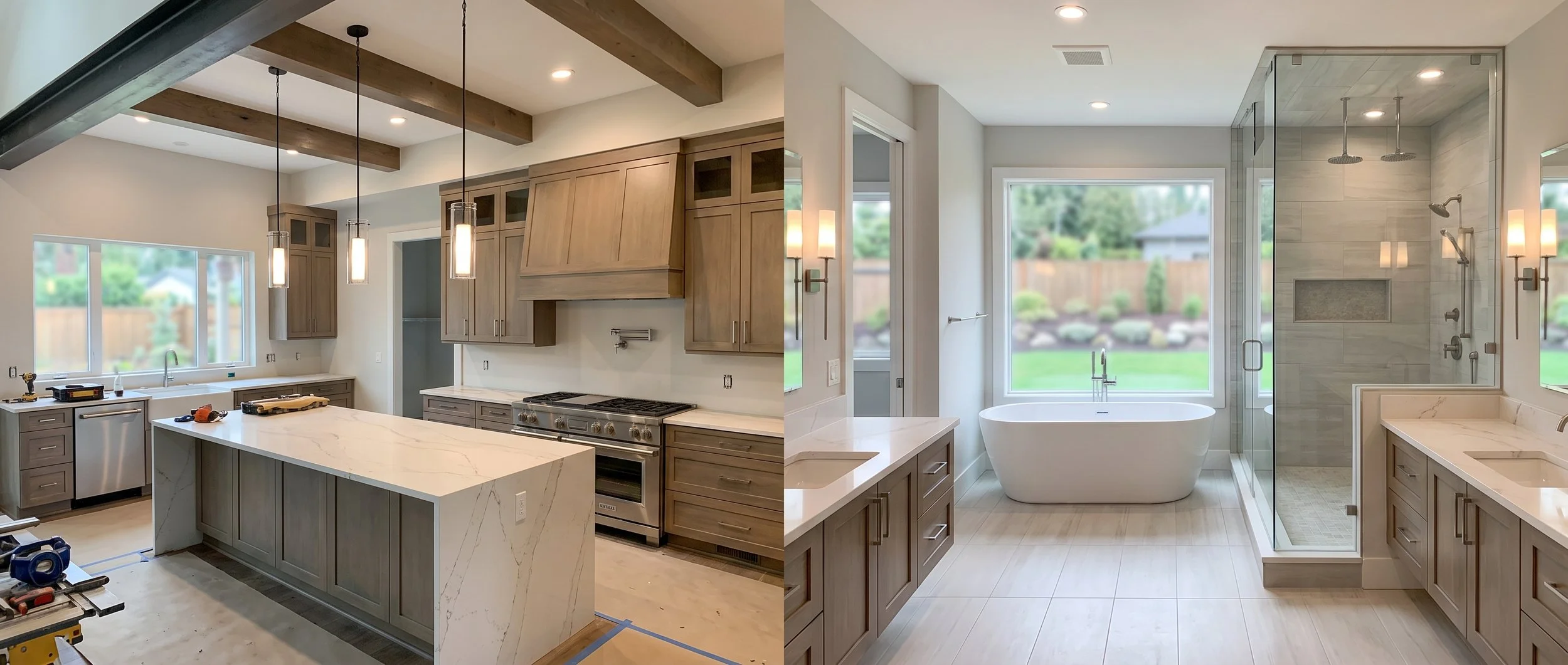
There is a certain appeal to a new construction home. It is all fresh, up-to-date, and made for the way you live. The real draw, however, is being able to put your own stamp on it with some well-chosen upgrades. They can be the difference between a house that is merely fine and one that is truly comfortable and in style. Of course, they come with a cost, so it is worth having a handle on what is on the table before breaking ground.
New construction upgrades let buyers turn a standard builder home into something more comfortable, functional, and personalized, from kitchens and bathrooms to flooring, lighting, and storage. The smartest upgrades are the ones that improve daily living, boost energy efficiency, and add long-term value without overspending on features you won’t really use.
The Case for Upgrading
Most builders will put in a standard package of features to keep the initial number down and let you do some customizing. An upgrade is how you get access to finer materials or a bit more convenience. Some are about looks; others are about making the home run better or use less energy. You can always make changes once the house is done, but it is far simpler to have them in from the start.
Making Upgrades In the Kitchen
For many, the kitchen is where the money is well spent. It is the hub of the house, so it has to be as good as it is beautiful.
You will see buyers opt for things like:
Granite or quartz to replace the stock laminate
Cabinets with a soft-close feature
A roomier island
Nice tile for the backsplash
Stainless steel or top-shelf appliances, including double ovens or a gas range
Better fixtures and lighting
It is the kind of work that makes the space feel current and a joy to work in.
Considering Improvements For The Bathroom
This is another spot where an extra investment is common. A few tweaks go a long way in terms of comfort.
Some of the more in-demand options are:
A dual-sink vanity in the master bath
A walk-in shower with a glass enclosure
A tub for some down time
Heated floors
Higher-end toilets and vanities
Plenty of storage
Done right, a bathroom can have a spa-like quality and put some value back into the property.
Flooring Upgrades
Flooring is a given in any home, but the builder’s default of basic carpet or vinyl is not for everyone. There is a preference for something with more character and staying power.
Hardwood, luxury vinyl plank, or tile are typical choices. Even if you stick with carpet, you might go for a heavier grade with better padding. Harder surfaces in the living room are also a no-brainer for some, since they hold up and clean up easier.
Lighting and Power
Good lighting can put a whole different spin on a room. Builders will put in the basics, but there are ways to improve on that.
Recessed lights, pendants over the island, or even a ceiling fan are easy add-ons. Then there are the practical matters: dimmer switches, a few more outlets, or ones with USB ports. For those who like to be on the cutting edge, pre-wiring for a smart home or an entertainment system is a must.
Exterior Upgrades
The exterior is no exception when it comes to making a home your own. These kinds of changes are for the sake of curb appeal and, in some cases, to make the home last a little longer. Here are some of the more typical exterior improvements:
Brick, stone or a step up in siding
A more substantial front porch
Garage doors with better curb appeal
Patios or decks with cover
Newer windows
Some added landscaping
Outside lighting
Higher-quality roofing
All of this can help a property make a strong first impression and stand out in the neighborhood.
Energy-Efficient Upgrades
There is no shortage of energy-saving features to put into a new build. The upfront price tag is higher, but it is an easy way to trim down on utility costs down the road.
Top-tier insulation
Windows that don’t let in the draft
Thermostats with a bit of intelligence
Heating and cooling with high efficiency ratings
Tankless water heaters
Solar
Appliances that use less power
For those who intend to put down roots for a while, it is a sound investment.
Storage and Organization
You can never have enough storage in a house, and it is one of the first things buyers in new construction want. Builders will put in place a few things to make life a little more orderly.
Walk-in closets
Shelving built right in
A proper mudroom
An improved pantry
Systems to corral things in the garage
Cabinetry in the laundry room
Linen closets
They are small changes that go a long way in keeping the house from looking like a mess.
Structural Upgrades
Then there are the ones that are less about looks and more about how the home is put together. We call them structural because they alter the design of the house itself.
More square footage
Another bedroom or bathroom
A bigger garage
Putting in a basement
A dedicated office
Vaulted ceilings
Tearing down a wall to open a room up
A fireplace
These have a lot of heft to them, and as a rule, they come with a steeper price than something purely cosmetic.
Smart Home Features
Technology has made its way into a lot of new homes. It is all about being able to run things from a tablet or phone without having to get up.
Locks and doorbells with video
The smart thermostat
Lighting on a schedule
Home security
Remote for the garage
Anything voice-activated
It is a matter of convenience and not having to worry.
Making the Right Call
One size does not fit all when it comes to spending on upgrades. A buyer has to weigh the cost against the budget and what makes sense for the way they live.
A few things to consider:
Put your money where you can’t put it in later
If you are in the kitchen or bath every day, it is worth the extra
Go for the energy side of things to keep the monthly bill in check
Keep an eye on what will add value if the home is ever put on the market
Do not overpay for something that will just sit there
Running a comparison between the builder’s base model and the add-ons is a good way to see what is on the table.
In the end
From the kitchen and baths to the flooring, the outside of the house, and the systems that run it, there are plenty of ways to put a personal stamp on a new home. They will add to the bottom line, but for the comfort and function they provide, it is usually time well spent. Knowing what is available before a purchase is made is the best way to go.
