The Ultimate Kitchen Remodeling Guide: Planning, Costs & Ideas for Your Dream Kitchen
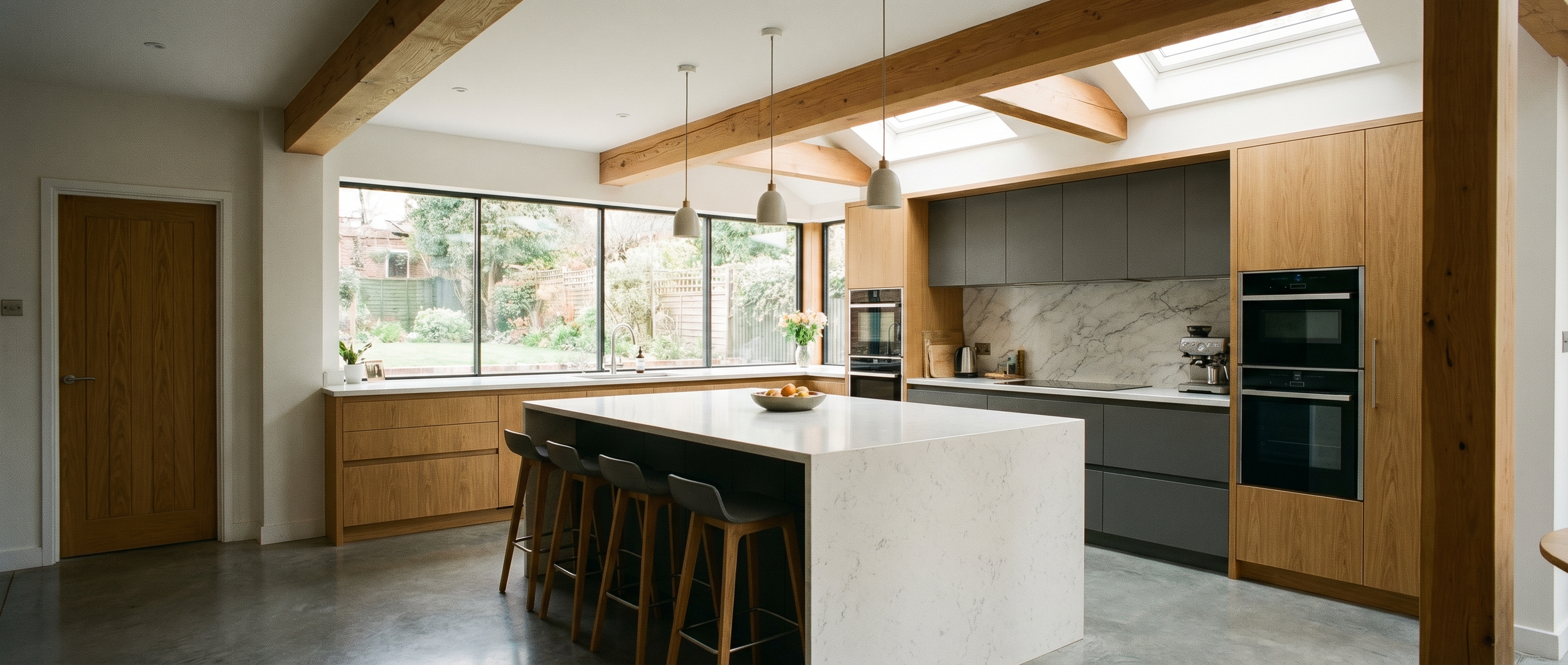
Starting on a kitchen remodeling project can be both exciting and overwhelming. This comprehensive guide will equip you with essential strategies, cost considerations, and innovative ideas to transform your kitchen into a dream space. Whether you're looking to enhance functionality, improve aesthetics, or increase your home's value, understanding the intricacies of kitchen remodeling is crucial. Many homeowners face challenges in planning and budgeting effectively, which can lead to stress and unexpected expenses. This guide aims to alleviate those concerns by providing a clear roadmap for your kitchen renovation journey. We will explore planning strategies, cost considerations, innovative design ideas, execution tips, and final touches to ensure your kitchen remodel is a success.
Comprehensive Guide to Kitchen Remodeling
Kitchen remodeling is a transformative process that enhances both the functionality and aesthetics of one of the most important spaces in your home. A well-planned kitchen remodel can significantly improve your cooking experience, increase your home's value, and create a welcoming environment for family and friends. Understanding the remodeling process, from initial planning to final execution, is essential for achieving your desired results. This guide will provide you with the necessary insights to navigate the complexities of kitchen remodeling effectively.
Research further supports the significant positive impact kitchen renovations can have on a home's market value and overall appeal.
1. Planning Strategies
Effective planning is the cornerstone of a successful kitchen remodel. It involves setting clear goals, understanding your needs, and collaborating with professionals to create a tailored design. Here are some key strategies to consider:
Start Early: Begin your planning process well in advance to avoid last-minute rushes and ensure you have ample time to make informed decisions.
Consult Professionals: Engaging with experienced designers and contractors can provide valuable insights and help you create a functional layout that meets your needs.
Collaborate on Design: Work closely with your design team to ensure that the kitchen's functionality aligns with your lifestyle and preferences.
2. Cost Considerations
Budgeting for a kitchen remodel is a critical aspect that can influence the entire project. Here are some factors to consider when estimating costs:
Set a Realistic Budget: Determine how much you are willing to spend and allocate funds for unexpected expenses that may arise during the renovation.
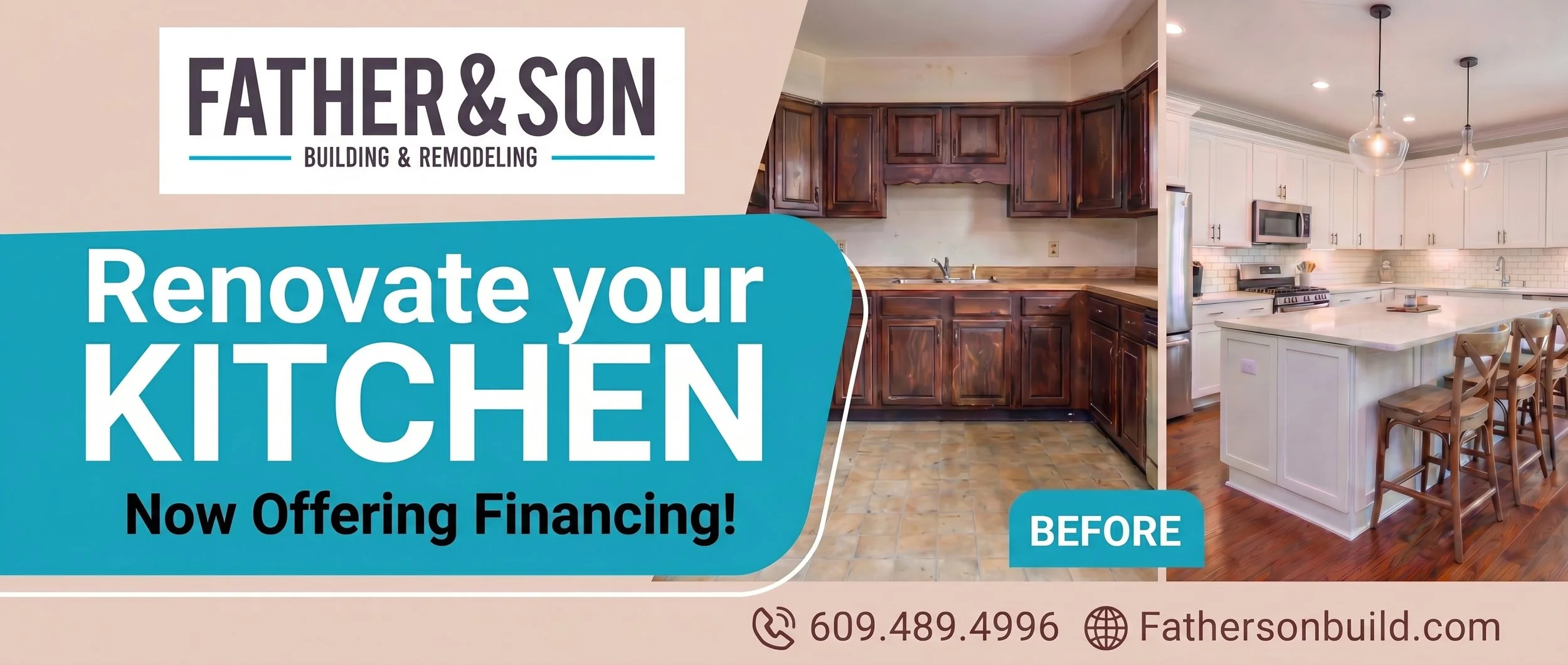
Explore Financing Options: Look into various financing options, such as home equity loans or personal loans, to help manage your remodeling costs effectively.
Utilize Seasonal Discounts: Take advantage of seasonal sales and discounts on materials and appliances to maximize your budget.
3. Innovative Ideas
Incorporating the latest trends and innovative ideas into your kitchen design can enhance both functionality and style. Here are some modern kitchen design ideas to consider:
Considering various design elements, such as wall and cabinet colors, is crucial for optimizing the feel and brightness of any kitchen space, especially smaller ones.
Smart Technology: Integrate smart appliances and home automation systems to improve efficiency and convenience in your kitchen.
Sustainable Materials: Opt-in for eco-friendly materials, such as bamboo or recycled countertops, to create a sustainable kitchen environment.
Bold Backsplashes: Use eye-catching backsplashes to add personality and style to your kitchen, making it a focal point of the space.
4. Execution
The execution phase of your kitchen remodel is where your plans come to life. It is essential to ensure that skilled craftsmanship and effective communication are prioritized throughout the process. Here are some tips for successful execution:
Ensure Skilled Craftsmanship: Hire experienced contractors who specialize in kitchen remodeling to guarantee high-quality workmanship.
Maintain Ongoing Communication: Regularly communicate with your contractor to address any concerns and ensure the project stays on track.
Conduct a Final Walkthrough: Before finalizing the project, conduct a thorough walkthrough to ensure that all aspects meet your expectations.
Father and Son Building and Remodeling emphasizes the importance of personalized service and craftsmanship in executing kitchen renovations. Their expertise in custom kitchen renovations ensures that your vision is realized with precision and care.
5. Final Touches
The final touches of your kitchen remodel are crucial for personalizing the space and ensuring it meets your expectations. Here are some steps to consider:
Add Custom Features: Incorporate unique elements, such as custom cabinetry or personalized lighting, to enhance the overall design.
Ensure All Aspects Meet Expectations: Review all elements of the remodel to confirm that they align with your initial vision and functional needs.
By following these steps, you can create a kitchen that not only looks stunning but also serves as a functional and enjoyable space for years to come.
What Are the Essential Steps in Planning a Kitchen Remodel?
Planning a kitchen remodel involves several essential steps to ensure a smooth and successful process. Here are the key steps to follow:
Define Your Goals: Determine what you want to achieve with your remodel, whether it's improving functionality, updating aesthetics, or increasing home value.
Set a Budget: Establish a realistic budget that accounts for all aspects of the remodel, including materials, labor, and unexpected costs.
Research and Gather Inspiration: Look for design ideas and inspiration from various sources, such as magazines, websites, and social media platforms.
Consult Professionals: Engage with designers and contractors to discuss your ideas and get expert advice on feasibility and design options.
How to Create a Realistic Kitchen Renovation Timeline?
Creating a realistic timeline for your kitchen renovation is crucial for managing expectations and ensuring the project stays on track. Here are some tips for developing an effective timeline:
Assess Project Scope: Determine the extent of your remodel, as larger projects will require more time for planning and execution.
Break Down Phases: Divide the project into phases, such as design, demolition, construction, and finishing touches, to create a clear timeline for each stage.
Allow for Flexibility: Build in extra time for unexpected delays or changes that may arise during the renovation process.
What Local Permits and Regulations Apply in Ocean County NJ?
When planning a kitchen remodel in Ocean County, NJ, it's essential to be aware of local permits and regulations that may apply. Here are some key considerations:
Building Permits: Most kitchen remodels require a building permit, especially if you are making structural changes or altering plumbing and electrical systems.
Zoning Regulations: Check local zoning regulations to ensure your remodel complies with any restrictions related to property lines, height, and design.
Inspections: Be prepared for inspections at various stages of the remodel to ensure compliance with local building codes and safety standards.
How Much Does a Kitchen Remodel Cost in Ocean County NJ?
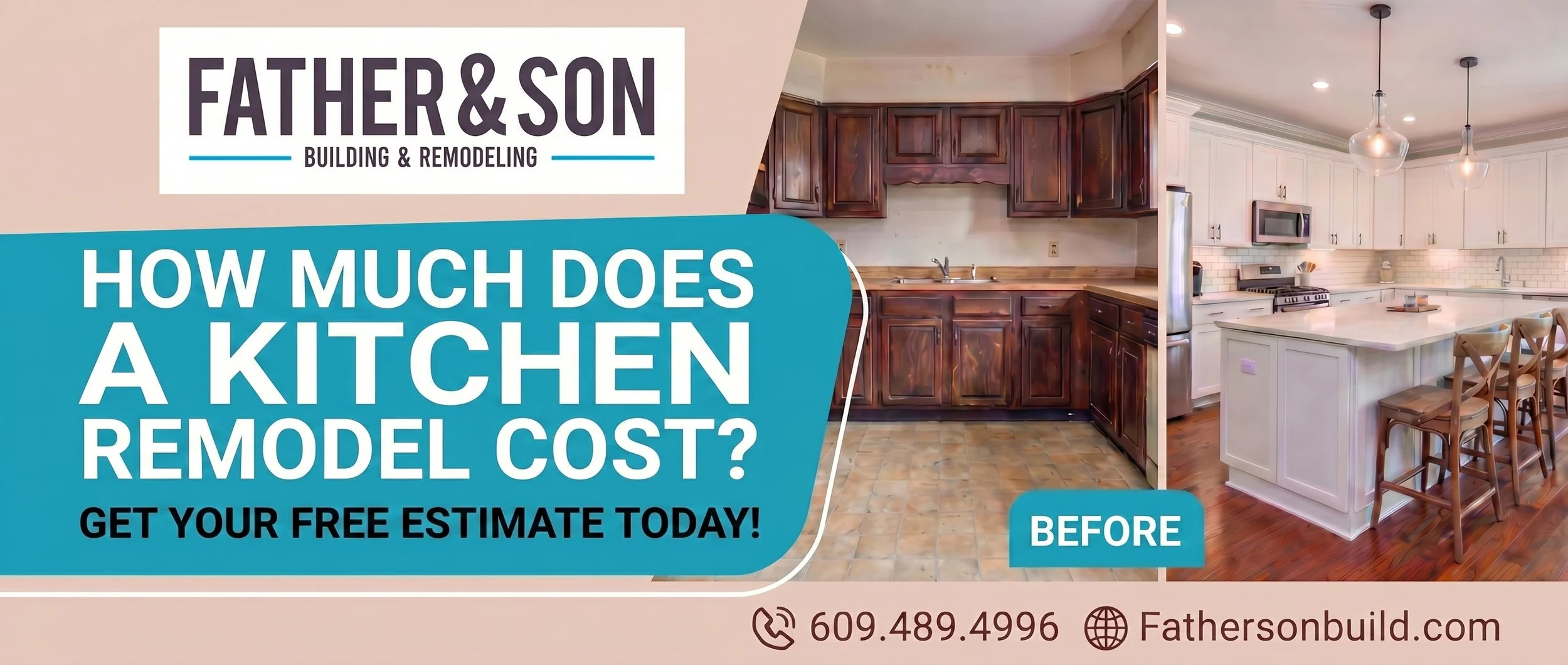
The cost of a kitchen remodel in Ocean County, NJ, can vary significantly based on several factors, including the size of the kitchen, the extent of the remodel, and the materials used. Here are some key components to consider when estimating costs:
Cabinetry: Custom cabinets can range from $5,000 to $30,000, depending on the materials and design.
Countertops: Expect to spend between $2,000 and $10,000 on countertops, with prices varying based on the material chosen.
Appliances: Budget for appliances, which can range from $1,000 to $15,000, depending on the brand and features.
What Are the Key Components of Kitchen Remodeling Cost Estimates?
When estimating the costs of a kitchen remodel, it's essential to consider the following key components:
Labor Costs: Labor typically accounts for a significant portion of the overall budget, so be sure to factor in contractor fees and any specialized labor required.
Materials: The choice of materials, including cabinets, countertops, and flooring, will greatly influence the total cost of the remodel.
Design Fees: If you hire a designer, include their fees in your budget to ensure you have a comprehensive estimate.
How to Budget Effectively for Custom Kitchen Cabinets and Features?
Budgeting for custom kitchen cabinets and features requires careful planning and consideration. Here are some tips to help you budget effectively:
Prioritize Needs vs. Wants: Determine which features are essential for your kitchen and which are optional, allowing you to allocate funds accordingly.
Get Multiple Quotes: Obtain quotes from several contractors to compare prices and ensure you are getting a fair deal on custom cabinetry.
Consider Long-Term Value: Invest in high-quality materials and craftsmanship that will stand the test of time, providing long-term value for your home.
Developing a structured approach to custom kitchen cabinet design and cost estimation is vital for managing expectations and ensuring project success.
What Are the Latest Modern Kitchen Design Ideas and Trends?
Staying updated on the latest kitchen design ideas and trends can help you create a stylish and functional space. Here are some current trends to consider:
Open-Plan Layouts: Open-concept kitchens that flow into living spaces are increasingly popular, promoting a sense of connection and spaciousness.
Minimalist Design: Clean lines, neutral colors, and uncluttered spaces characterize minimalist kitchen designs, creating a serene and modern atmosphere.
Mixed Materials: Combining different materials, such as wood, metal, and stone, adds visual interest and texture to kitchen designs.
Which Kitchen Backsplash Trends Enhance Style and Functionality?
Choosing the right backsplash can significantly impact the overall look and functionality of your kitchen. Here are some trending options:
Subway Tiles: Classic subway tiles remain a popular choice for their timeless appeal and versatility in various design styles.
Textured Finishes: Textured backsplashes, such as 3D tiles or natural stone, add depth and dimension to the kitchen.
Bold Patterns: Incorporating bold patterns or colors in your backsplash can create a striking focal point and enhance the kitchen's personality.
How to Incorporate Smart Kitchen Technology and Sustainable Materials?
Integrating smart technology and sustainable materials into your kitchen design can enhance both functionality and environmental responsibility. Here are some ideas:
Smart Appliances: Invest in smart appliances that offer energy efficiency and convenience, such as refrigerators with touch screens or ovens that can be controlled via smartphone.
Eco-Friendly Materials: Choose sustainable materials, such as reclaimed wood or recycled glass, to minimize your environmental impact while creating a beautiful kitchen.
Energy-Efficient Lighting: Install LED lighting and smart lighting systems to reduce energy consumption and enhance the kitchen's ambiance.
How to Choose the Right Contractor for Your Kitchen Renovation?
Selecting the right contractor is crucial for the success of your kitchen renovation. Here are some tips to help you make an informed choice:
Check Credentials: Ensure that the contractor is licensed, insured, and has a good reputation in the community.
Review Portfolios: Look at the contractor's previous work to assess their style and quality of craftsmanship.
Get References: Ask for references from past clients to gain insight into the contractor's reliability and professionalism.
What Credentials and Experience Should a Licensed Remodeling Contractor Have?
When evaluating potential contractors, consider the following credentials and experience:
Licensing and Insurance: Verify that the contractor holds the necessary licenses and insurance to protect you from liability during the project.
Experience in Kitchen Remodeling: Look for contractors with specific experience in kitchen remodeling, as this expertise can lead to better results.
Positive Reviews: Check online reviews and ratings to gauge the contractor's reputation and customer satisfaction.
How to Request a Free Estimate and Evaluate Remodeling Proposals?
Requesting a free estimate and evaluating proposals is an essential step in the remodeling process. Here’s how to approach it:
Request Multiple Estimates: Contact several contractors to obtain estimates, ensuring you have a range of options to compare.
Evaluate Proposals Thoroughly: Review each proposal carefully, considering the scope of work, materials, and timelines outlined.
Ask Questions: Don’t hesitate to ask contractors for clarification on any aspects of their proposals to ensure you fully understand what is included.
By following these guidelines, you can navigate the complexities of kitchen remodeling with confidence, ensuring a successful transformation of your kitchen space.