
Coastal Home Renovation Process Explained for NJ Homeowners: Expert Guidance on NJ Coastal Home Remodeling
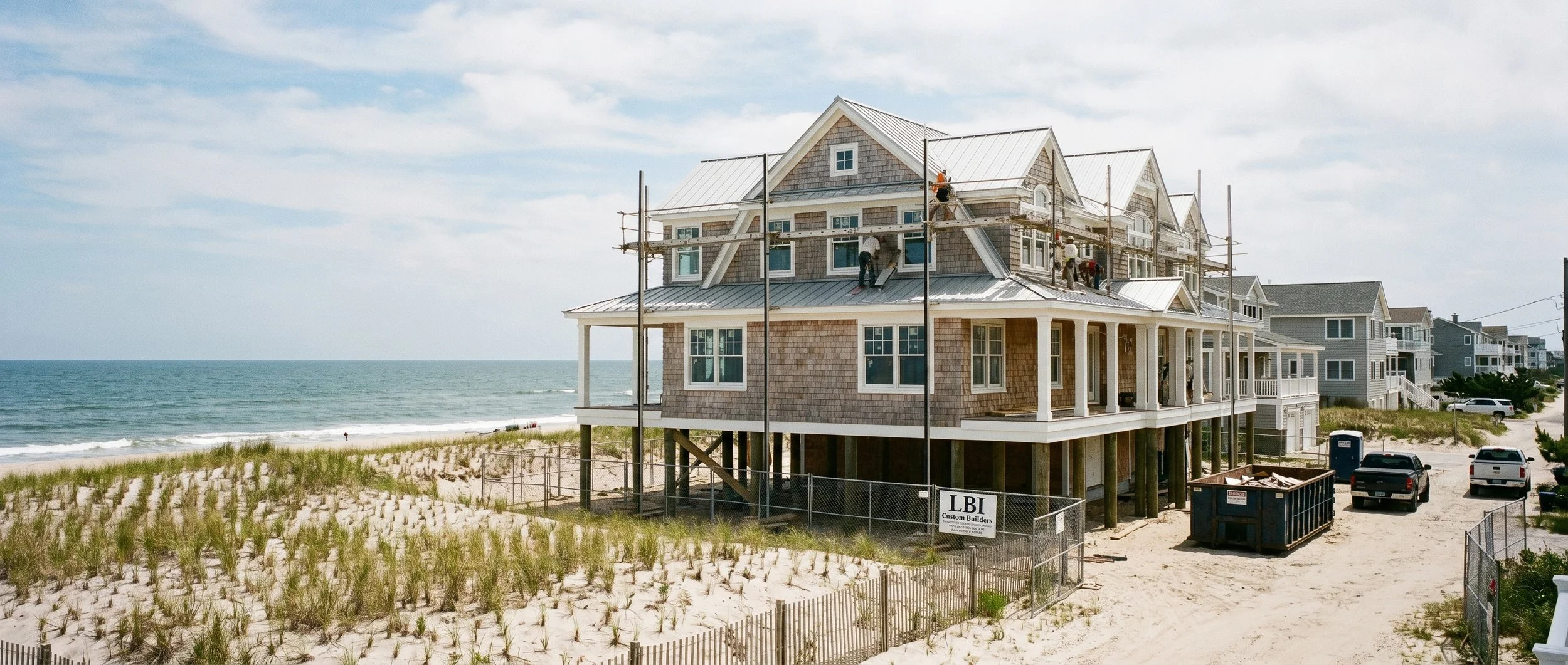
Renovating a coastal home in New Jersey requires a nuanced understanding of various factors that influence the building process. Homeowners face specific challenges, including adherence to local building codes, unique material requirements due to environmental conditions, and the overall renovation process. This article will clarify the essential steps involved in the coastal home renovation process, highlighting critical permits and regulations that must be understood by NJ homeowners. Additionally, we will explore how to select durable materials specifically designed for coastal living and what to expect from custom home additions and remodeling services.
What Are the Key Steps in the NJ Coastal Home Renovation Process?
The coastal home renovation process involves several key steps that ensure compliance with local regulations while achieving the desired aesthetic and structural goals. Understanding these steps can streamline your project and minimize delays.
Initial Planning: Begin with a clear vision of your renovation goals. This includes outlining your budget and timeline.
Hiring Professionals: It's crucial to hire experienced contractors familiar with NJ's coastal regulations. Their insight can guide you through common pitfalls.
Permitting: Obtaining the necessary permits is essential to ensure compliance with local building codes. Failing to do so can result in costly fines or project delays.
Construction: Once plans are approved and permits obtained, construction can commence. Regular communication with contractors during this phase helps address any unforeseen issues.
Final Inspection: The final inspection is essential to ensure that the renovation meets all regulatory standards and is safe for occupancy.
By understanding these steps, NJ homeowners can navigate their coastal home renovations confidently and efficiently.
Which Permits and Regulations Must NJ Coastal Homeowners Understand?
Navigating the regulatory landscape is critical for NJ coastal homeowners to avoid legal issues and ensure compliance with local laws. Understanding permits and regulations can significantly impact the success of a renovation project.
What Local Coastal Building Codes Apply in Ocean County NJ?
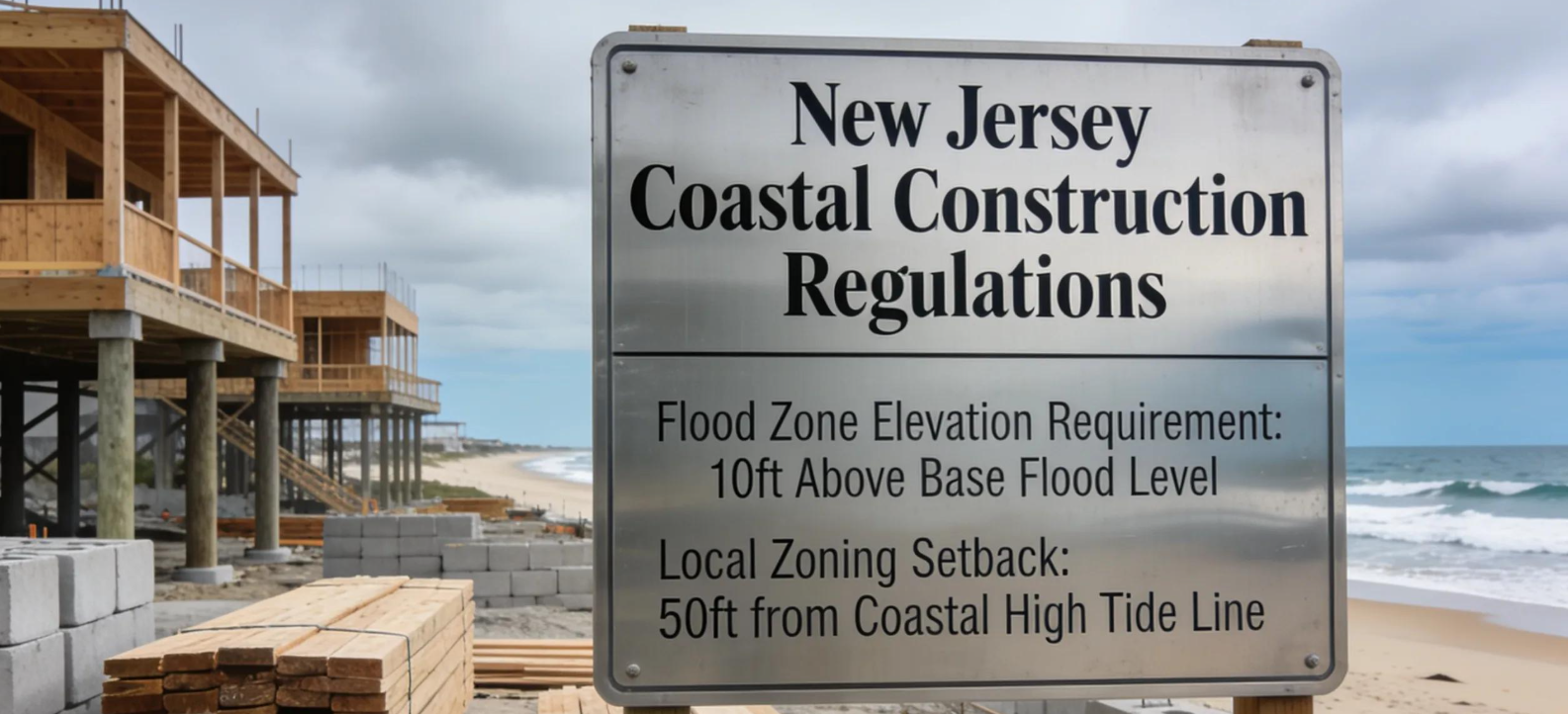
Ocean County has specific building codes that must be adhered to during renovations. Key aspects include:
Flood Zone Regulations: Homes in flood zones must meet elevation requirements to reduce flood risk.
Environmental Protection: Compliance with regulations related to wetlands and coastal habitats is crucial. This may involve environmental assessments.
Zoning Restrictions: Homeowners must understand local zoning laws concerning setback requirements, which dictate how far structures must be from property lines and the shoreline.
These codes aim to protect properties and the surrounding environment, ensuring that renovations are sustainable.
How Have Recent Regulatory Updates Changed Renovation Permitting?
Recent updates to regulations have introduced several important changes for homeowners.
Streamlined Permitting Process: There is a push towards a more efficient permitting process, which may reduce the wait times for approvals.
Increased Transparency: Updates provide clearer guidelines on what is required for different types of renovations, making it easier for homeowners to prepare necessary documentation.
These changes have been implemented to enhance community safety and ensure that renovations are carried out in accordance with the latest safety standards.
How to Choose Durable Materials for Coastal Home Remodeling in NJ?
Selecting the right materials is crucial for ensuring longevity and resilience against the coastal environment. The harsh conditions can severely affect standard building materials, making thoughtful selection imperative.
Corrosion Resistance: Materials should be resistant to corrosion and deterioration, such as stainless steel fixtures and treated lumber.
Moisture Resistance: Choose materials like fiber cement siding or vinyl windows that resist water intrusion.
Energy Efficiency: Consider materials that enhance energy efficiency, such as insulated doors and windows that help manage coastal humidity.
Making informed choices helps preserve the integrity of coastal homes while maximizing durability.
What Are the Best Hurricane-Resistant Materials for Coastal Homes?
Hurricane-resistant materials are essential for coastal homes to withstand severe weather conditions. Some of the top choices include:
Impact-Resistant Windows: Designed to endure high wind pressures and flying debris.
Reinforced Roof Structures: Utilizing materials such as metal roofing that can resist wind uplift.
Concrete Blocks: In areas with hurricane risks, concrete block construction enhances structural integrity against storms.
These materials provide peace of mind, ensuring that homes remain secure during severe weather.
How Does Material Selection Enhance Energy Efficiency and Longevity?
Choosing the right materials not only affects a home’s durability but also impacts energy efficiency and long-term performance.
Insulation Quality: High-quality insulation materials reduce energy costs by keeping homes cooler in the summer and warmer in the winter.
Durable Exteriors: Materials like stucco or high-quality vinyl siding enhance the lifespan of the exterior, reducing maintenance needs over time.
Sustainable Options: Selecting eco-friendly materials, such as recycled glass or bamboo, contributes to sustainability while maintaining aesthetic appeal.
These factors combine to create a home that is both environmentally friendly and cost-effective in the long run.
What Should You Expect from Custom Home Additions and Remodeling Services in Ocean County NJ?
Understanding what custom home additions and remodeling services entail can help set realistic expectations for homeowners.
Personalized Designs: Many services provide design consultations where homeowners can discuss their vision, ensuring it aligns with local regulations.
Quality Craftsmanship: Reputable contractors focus on quality workmanship to ensure that new additions enhance the overall property value.
Transparent Pricing: Understanding cost structures prior to starting a project can prevent budget overruns and ensure financial planning is feasible.
Custom services cater specifically to the needs of coastal homeowners, combining aesthetics with functionality.
How Do Custom Home Builders Manage Additions Near Coastal Shorelines?
Building near coastal shorelines presents unique challenges. Custom home builders often employ strategies such as:
Elevated Structures: Incorporating elevation into designs to mitigate potential flooding risks.
Environmental Assessments: Conducting assessments that enable builders to understand and navigate local ecological concerns.
These measures support sustainable development while accommodating the unique topography of coastal regions.
Why Choose Father and Son Building and Remodeling for NJ Coastal Projects?
Father and Son Building and Remodeling stands out for its expertise in coastal project management. They specialize in custom home construction and remodeling, emphasizing craftsmanship, regulatory compliance, and customer satisfaction. Their in-depth understanding of local building codes ensures that each renovation project is both beautiful and compliant, making them an excellent choice for NJ homeowners looking to transform their coastal properties.
With a commitment to quality and sustainability, Father and Son Building and Remodeling integrates innovative solutions tailored to the distinct needs of the New Jersey coastal environment.