
Remodeling on LBI: Ideas for Every Property from Ship Bottom to Beach Haven
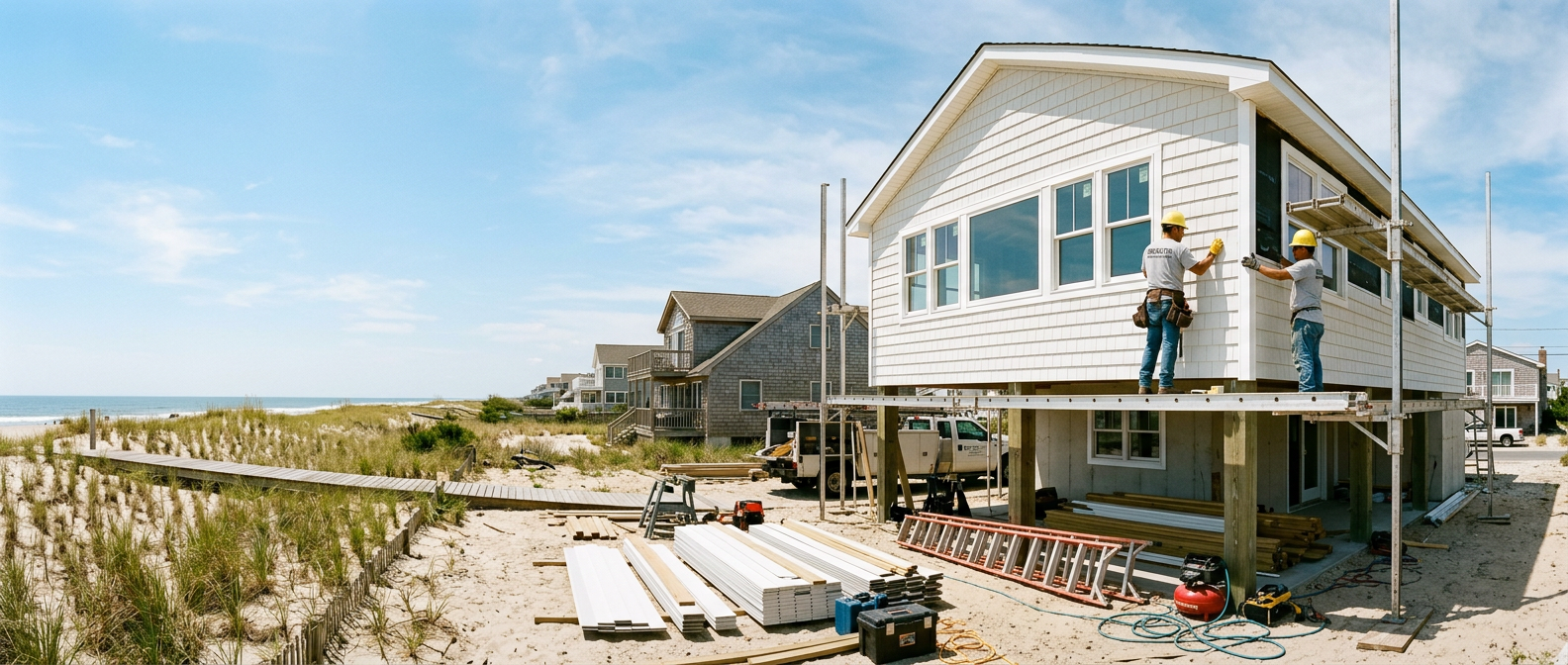
A sound remodeling plan for a Long Beach Island home is not one size fits all. It comes down to the property type, where it is situated and what you get out of the space. The objective is to enhance the value and comfort of your home while putting in place the kind of protections that are necessary against the salt air, wind, moisture and flood risk we see here.
Homes in Ship Bottom, Surf City, Long Beach Township and Beach Haven may be subject to the same coastal realities, but they do not require identical work. A modern beach house will call for a different set of upgrades than an older shore cottage, just as a waterfront lot has its own priorities compared to a small vacation rental.
Start with Coastal Reality
Before you put pen to paper on floor plans or pick out finishes, consider the environment. Any remodel on LBI has to make allowances for:
Salt air which can take its toll on metal, paint and fixtures
Wind strong enough to compromise roofing, siding and windows
The humidity and moisture that invite rot, mold and corrosion
Elevation rules and flood zones that have an impact on cost and design
What the local municipalities require in the way of zoning and permits
A level of maintenance that is simply higher than you would find inland
Coastal construction on the island puts durability before style. The most successful remodel is one that is attractive and holds up well over the years.
Older Shore Cottages
There is no mistaking the charm of an older cottage in Beach Haven or Ship Bottom. Most owners wish to retain that character and make the home more comfortable and low-maintenance at the same time.
We often see good results from:
Putting in impact-rated or storm-ready windows to replace old ones
Upgrading to fiber cement or other hardy materials for the siding
Better insulation to improve energy use
New electrical and plumbing
Reworking a small bath for more room
Some waterproof flooring in the kitchen and main living areas
An open layout that does not lose the cottage feel
It is a matter of preservation and performance. You want the relaxed LBI look in a home that can stand up to the coast.
Modern Beach Houses
The newer homes in Surf City and Long Beach Township tend to be of a larger footprint with open layouts. Here the remodel is typically about function and making the space better for entertaining or as a rental.
Frequent upgrades for this type of property are:
Kitchens with easy-clean surfaces and durable counters
Living areas that are open concept, tying the deck and dining room together
Built-ins to put away towels and beach gear
Sliders and deck access for a better flow between inside and out
Smart technology for climate, lighting and security
Exterior materials that do not demand much upkeep
If the home is seasonal, systems that simplify the process of closing up and reopening for the year are worth considering.
Waterfront Properties
You get the views, but you also have to contend with the harshest conditions. Wind, spray and flood requirements mean nearly every decision on a waterfront home requires some forethought.
What works well:
Reinforced railings, decks and stairs
Fasteners and hardware that will not corrode
Windows and doors built for coastal exposure
Roofing with proper wind ratings
Utility or storage on the lower level that is flood resistant
Elevated additions where the rules allow
Let durability be your guide. While the materials might run a bit more, they are an investment that pays off by keeping repair bills down.
Vacation Rentals
For a rental in a busy part of town like Ship Bottom or Beach Haven, you have to weigh appeal against how easy it is to maintain. A well-thought-out remodel can do wonders for bookings.
Rental-friendly improvements include:
Flooring that is strong and cleans up easily
Durable finishes and furniture
Ample storage for guests
Bunk rooms or flexible sleeping arrangements
Outdoor spaces that add value
A clear entry for shoes and sand
Think about turnover. You want materials that are attractive but can take the wear and tear of repeated use.
Small Lots
Space is at a premium on some of the smaller lots on the island, so creativity is called for. Rather than trying to add square footage, focus on an efficient layout.
Some practical approaches:
Reconfigure the plan to eliminate dead space
Go with built-in storage over bulky pieces of furniture
Make the kitchen and bath more compact yet functional
Add a multi-purpose room
Use lighter colors and natural light to open up a room
Be mindful of setbacks and zoning. It is wise to have a professional on hand to tell you what can be done before you put in the time to draw up something that will not get approved.
Popular Upgrades for LBI Homes
Certain projects have broad appeal across the board.
Kitchen Remodels
Few things add as much value as a new kitchen. Coastal living demands a certain approach. For the home by the sea, one should opt for finishes that are simple to clean and cabinets of a more durable sort, along with quartz or similar surfaces that can stand up to moisture.
Bathroom Renovations
Style is only part of the equation in the bathroom; design must also account for moisture. Proper ventilation, waterproofing and the right tiles are all essential considerations.
Deck and Outdoor Living Improvements
Decks are at the heart of the LBI way of life. It is important to have strong framing and materials rated for the coast, with adequate drainage, in wind-exposed spots in particular.
Window and Door Replacement
Putting in new windows and doors does more than lower maintenance; it offers better storm protection and energy efficiency while making the home more comfortable.
Exterior Updates
The salt air will test your siding, roofing, trim and railings. Investing in exterior materials with some heft to them will save on repairs down the road.
Storage and Entry Zones
A beach house requires room for surf gear, coolers, towels and bikes. Practical upgrades like an outdoor shower, built-ins or a mudroom entry suit the LBI lifestyle well.
How to Choose the Right Remodeling Plan
Budget is not the only factor in determining the right plan. The first step is to consider what the home is for.
Consider the following:
What is the nature of the property: a rental, a summer place or a year-round residence?
Is the home of a certain age and in need of systems work?
Does the lot’s position in a flood zone dictate any elevation?
Is the goal to put in a modern layout or to keep the existing charm?
What do the zoning rules in the area permit?
How much upkeep is one prepared to do?
In the case of a rental, for instance, custom finishes may be less of a concern than something easy to clean and hardy. A family retreat might put comfort and storage at the top of the list, whereas a waterfront property would call for structural resilience above all else. An experienced local remodeler who is versed in LBI building permits and flood requirements can be of great assistance in making the right decision from the outset.
A Simple Step-by-Step Remodeling Process
There is no need for coastal remodeling to be a source of stress if the process is clear.
1. Define your goals
Whether it is to enhance rental appeal, get into flood compliance or simply have more space, determine what the project is meant to address.
2. Review the property conditions
Take stock of the home’s age and structure as well as any damage. Note the elevation and the status of the flood zone.
3. Confirm zoning and permit needs
Rules can vary from one township to the next on LBI. Before any plans are drawn, check with the authorities in places like Ship Bottom, Surf City, Beach Haven or Long Beach Township.
4. Build a realistic budget
Factor in labor, design, materials and permits. Leave room in the numbers for the unforeseen; work on a coastal home has a way of uncovering hidden issues.
5. Choose durable materials
Given the humidity and salt, material selection is paramount. Go with products made for this kind of construction.
6. Work with local professionals
Find those who are familiar with the practical side of island building and the local permitting process.
7. Plan for maintenance
Any remodel will require some tending to. Know in advance what will need to be replaced or cleaned on a regular basis.
Common Mistakes to Avoid
On Long Beach Island, some missteps in remodeling can be very expensive.
Ignoring flood requirements
For a home in a flood zone, there is no getting around code compliance and elevation. To skip it is to invite trouble later on.
Choosing the wrong materials
You will not get far with standard interior goods in this climate; they will not hold up to the salt and humidity.
Underestimating permit and zoning issues
What is permissible in one section of the island may not be in another.
Focusing only on style
A remodel that looks good but is a chore to maintain is poor value on the island.
Overbuilding for the neighborhood
It is unwise to overspend for the block or the home’s use. The work should be in keeping with the market.
Skipping professional guidance
Let a local expert help steer the project and sidestep unnecessary costs.
FAQs About LBI Remodeling
1. What is the best remodel for an older LBI cottage?
Typically it is a matter of improving the layout and insulation, putting in better windows and protecting against moisture, all while retaining the original character of the cottage and making the necessary structural updates.
2. Do I need permits for remodeling in Ship Bottom or Beach Haven?
Most projects do. There is usually a requirement for building permits and often a zoning review as well. It is advisable to get confirmation from the municipality before commencing work.
3. When it comes to salt air, some materials stand up better than others.
You will find strong performance in fiber cement siding and quality composite decking, as well as in corrosion-resistant hardware, coastal-grade windows and interior finishes that can handle the moisture.
4. For an LBI home, how critical is flood compliance?
It is very much so. The status of a flood zone has implications for cost, the foundation, elevation and even the overall design. Make sure to have this reviewed at the outset of any planning.
5. Does one go about remodeling a vacation rental the same way as a private residence?
Not really. A rental demands a different approach. The finishes have to be more durable and simple to clean, with a layout that can accommodate the constant turnover of guests.
6. Is it possible to put in a remodel on a small lot without putting on a lot of square footage?
Certainly. The focus on many of these projects is not a large addition but rather making better use of what is there: storage, decks, vertical space and an improved layout.
7. What is the way to control costs during a remodel?
By setting your priorities from the start and being practical with material selection. Detailed estimates are a must, and once construction is underway, it is best to avoid changes.
8. There is value in hiring local remodeling professionals. Why?
They know the terrain. Local pros are familiar with LBI zoning and flood rules, they understand weather exposure and the proper methods for building on the coast.
Final Recommendation
A remodel on Long Beach Island should be approached with the property type, the coastal environment and local regulations in mind before one gets to the matter of fixtures or finishes. The most successful plans are those that suit the neighborhood and the way the home is used.
For a job that endures, engage with professionals who have a working knowledge of Ship Bottom, Surf City, Beach Haven and Long Beach Township and what LBI coastal construction entails. Put your goals in front of a reputable local contractor and put together a plan with an eye toward durability and code compliance.
