
A Complete Guide to the Best Upgrades: Top-Rated Fixtures for Your Bathroom Remodel
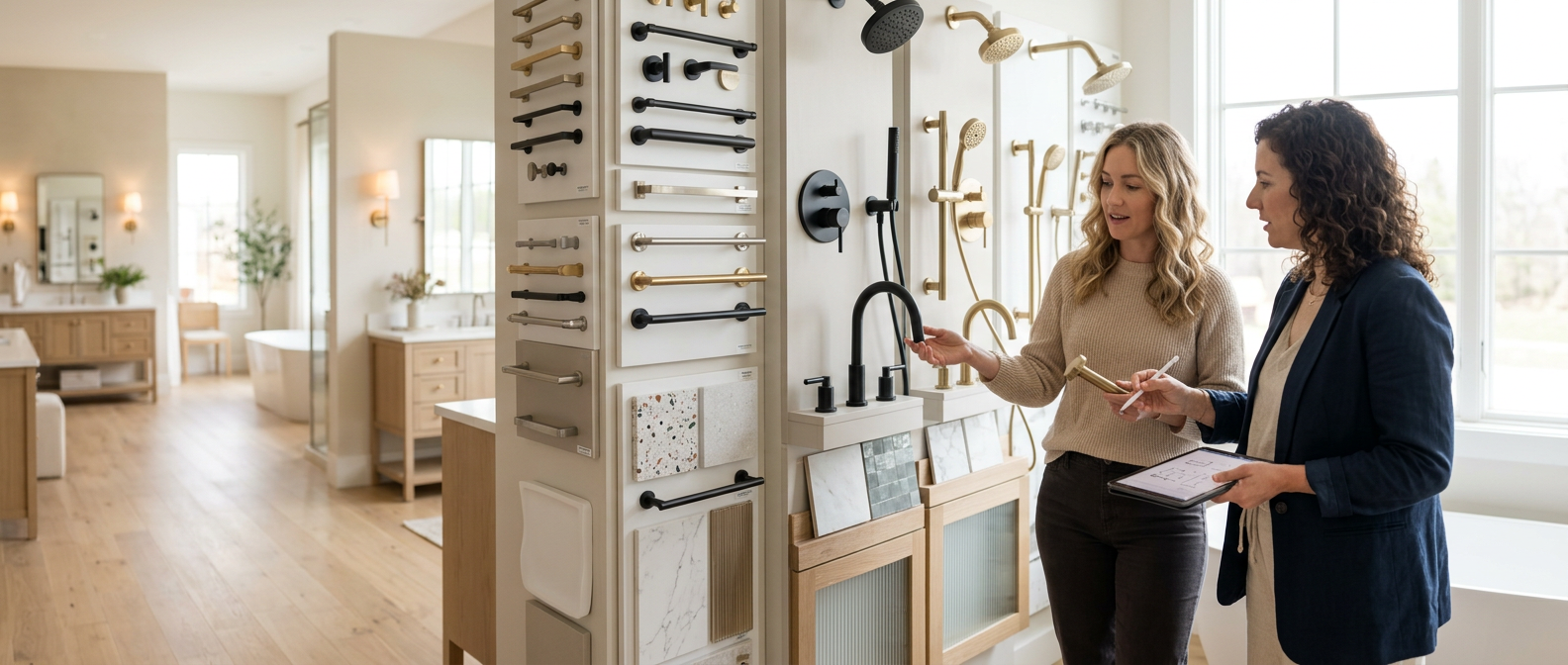
When it comes to a remodeling project, the ideal bathroom fixtures are those that enhance your style and comfort without straining the budget or your daily routine. For the most sensible upgrades, one should look to a quality toilet, a dependable sink faucet, a well-designed shower system, and a vanity with ample storage.
A bathroom remodel is an opportunity to combine high-quality bathroom remodeling products with practical bathroom ideas that fit your home remodeling goals. Whether planning a small bathroom update or a full bathroom renovation, start with a smart bathroom layout, durable floor materials, and fixtures and fittings that match your style. Modern bathroom design ideas often include a freestanding tub or freestanding bathtub, a built-in vanity, bathroom vanities with organized storage, a walk-in shower with a new shower head, and porcelain tile or mosaic tile on the floor or walls. White tile can create a clean, open look, while the right grout color helps define the finished design.
For the finishing touches, choose bathroom products that improve everyday function as well as bathroom decor, including towel bars, linen storage, a toilet paper holder, and toothbrush holders. Review bathroom remodel ideas carefully before selecting a tub, freestanding fixture, vanity, or shower layout, and avoid unnecessary filler that adds cost without improving comfort or usability. The best bathroom renovation balances attractive bathroom design ideas with durable materials, efficient storage, and details that make the space easier to use for years to come.
Where to Start with a Bathroom Upgrade
Fixtures are the functional, visible elements of the room; they dictate how the space looks and operates on a day-to-day basis. Any remodel will likely begin with the pieces that have the greatest bearing on water consumption, layout, and ease of cleaning.
The key components in a bathroom overhaul are:
Toilets
Vanities and sinks
Faucets
Showers and bathtubs
Lighting
Hardware and accessories
These determine the room’s overall feel as much as its resale value and maintenance requirements. The smartest choice is not necessarily the priciest one, but rather the fixture that addresses a genuine shortcoming in the bathroom.
Identifying the Problem With Your Bathroom Remodel
Homeowners typically undertake a remodel because what they have is worn out, inefficient, or simply difficult to keep clean. In some cases, the bathroom is cramped or wastes water. Since these are everyday items, substandard products can be a nuisance, resulting in:
Unwanted leaks and the cost of repairs
Surfaces that stain or are hard to get at
Inadequate water pressure
Higher utility bills
An outdated aesthetic
A worthwhile remodel puts in place fixtures that are attractive, practical, and made to endure.
Bathroom Products & Fixtures Worth Considering
1. High-Efficiency Toilets
There is no more important fixture than the toilet in terms of long-term maintenance and comfort. Modern high-efficiency models are designed to lower water use per flush and trim utility expenses without sacrificing flushing power. They are the upgrade of choice for the homeowner looking for reliability and savings.
What to look for:
U.S. EPA WaterSense certification
Dual-flush for water control
Comfort height for easier sitting and standing
Glazed surfaces that are easy to clean
This is suitable for guest baths and families alike, particularly when an old unit is being replaced.
2. Durable Sink Faucets
Given how often a faucet is put to work for handwashing and grooming, it needs to be as easy to operate as it is to clean. A good faucet also contributes to the visual style of the room.
Whether for a remodel where performance and looks are equally important, there are several popular routes to take: single-handle for convenience, wall-mounted for a modern touch, or touchless for hygiene. Widespread faucets offer a more custom appearance. Stick to solid brass or stainless steel where you can; they tend to outlast inferior materials. Finishes like chrome, matte black, and brushed nickel are all in vogue.
3. Shower Systems
From the valve and trim kit to the showerhead and body sprays, the system you choose can add to the home’s value and your own comfort. A rain showerhead gives a spa-like quality, while a thermostatic valve ensures the water temperature is stable.
For those planning to age in place, a handheld shower and grab bars are a safety measure that does not require overhauling the entire room.
4. Vanity Cabinets
More than just furniture, a vanity is your storage solution for toiletries and towels while providing the necessary support for the sink and counter. It is essential for any bathroom in need of better organization or flow.
Floating vanities provide an open, modern feel, whereas double vanities are a must for shared spaces. In a humid environment, moisture-resistant construction is paramount. Quartz is a favored countertop material for its durability and resistance to stains.
5. Sinks
The right sink is a matter of room size and function. An undermount sink is easy to wipe down and pairs well with a storage vanity in a primary bath. A pedestal model might be the answer for a small powder room. Vessel and drop-in styles are also common, depending on the desired look and ease of installation.
6. Water-Saving Showerheads and Aerators
Do not overlook the smaller fixes. Upgrading these can make a difference. You can put a dent in your water usage with the right showerheads and faucet aerators, all without the need for major construction.
A showerhead is there to give you control over flow and spray, while an aerator will mix in some air to keep up the pressure even as it cuts down on water. For a remodel on a budget or a quick efficiency fix, these are the way to go. Where you can, opt for WaterSense-labeled items; they are built to the EPA’s standards of efficiency.
Making the Right Purchase
When it comes to bathroom fixtures, one should look past appearances. The decision is really about quality, how well it fits, and what kind of value it offers over time.
Material Quality
What a fixture is made of will dictate its upkeep and how long it stands up to the elements. You will find brass in many valves and faucets for its durability, and stainless steel for its resistance to corrosion. Toilets and sinks are typically porcelain, while quartz is a hardy choice for countertops. Vanities are often made from moisture-resistant MDF or plywood. In a humid environment, anything of lower quality is going to wear out in short order.
Water Efficiency
This has a bearing on both your utility bill and the environment. For toilets, aerators, showerheads and faucets, a WaterSense-certified model in the U.S. tends to be a good compromise between savings and performance.
Installation
Not every job is created equal. You might handle a new faucet yourself, but a wall-mounted unit or a shower valve is best left to a plumber. The type of installation will have an impact on cost and timeline. If you are dealing with tiled showers, plumbing changes, or any electrical work around the lighting, professional help is advisable.
Maintenance
Good fixtures do not require much fuss. Look for smooth surfaces and quality finishes that prevent spotting and buildup. Some of the more low-maintenance options are:
Glazed porcelain
Anti-tarnish finishes
Easy-clean shower doors
Countertops that resist stains
Aerators that come off for cleaning
Budget and Timeline
The scope of a full renovation can run anywhere from a few days to weeks once you factor in permits and the contractor’s schedule. Costs break down roughly like this:
Low-cost: New hardware, a faucet or aerator
Mid-range: A sink, toilet, vanity or showerhead
Higher-end: Custom vanities, a tiled shower or wall-mounted pieces
Keeping the existing layout will generally save time and money.
Getting the Best Value
For maximum impact on your wallet, consider these upgrades first:
A new toilet for reliability and efficiency
An upgraded showerhead for better control and comfort
A new faucet to improve the room visually and for day-to-day use
A vanity for some added storage and style
A replacement sink if the old one is damaged or the wrong size
In most homes, a sensible, functional bathroom with solid basic fixtures is worth more than an overly ornate design.
Pitfalls to Steer Clear Of
Style over fit. A fixture may be attractive but of no use if it does not suit the space or the plumbing. Check your rough-in measurements and mounting type.
Water pressure. Be sure to read the specs; some units will not perform well in a home with low pressure.
Humidity. Do not skimp on sealants, finishes, or cabinets. Inferior materials in a bathroom will eventually warp, peel, or mold.
Hard-to-clean designs. Intricate details are a magnet for dust and soap scum. Pick something that suits your cleaning habits.
Doing it alone when you should not. Changing a shower valve or any electrical work calls for a licensed pro. There are also local codes and permits to consider on larger projects.
Some Frequently Asked Questions
Which fixture to replace first?
Go with whatever is giving you the most trouble. It is usually the toilet, the faucet or the showerhead.
Is it worth paying more for a fixture?
It can be. Better ones tend to have a longer life and superior performance. But the price tag is not the only consideration; it has to be right for your needs.
On matching finishes?
You do not have to make everything identical, though consistency will give the room a cleaner feel. Chrome is a classic, brushed nickel does a good job of hiding fingerprints, and matte black is more modern.
Can I do the installation?
For a simple swap of a showerhead or some hardware, perhaps. But for a vanity or any plumbing alterations, call in a professional.
A Word of Advice
If you want a good result from your remodel, concentrate on a practical vanity, a durable faucet, and a high-efficiency toilet. Pick materials with a good warranty that will stand up to moisture and are not difficult to maintain.
Upgrade the things you use on a daily basis before you worry about aesthetics. That is the plan that will see you through with fewer regrets.
What to Do Next
Put together a list of the issues in the bathroom and measure the area. Compare your options on water efficiency, material, and the work involved in putting them in. Should the project entail any changes to the layout or plumbing, speak with a licensed contractor or plumber before making a purchase. It is the surest way to end up with fixtures that are sound, serviceable, and good-looking.
